The AAARRR funnel, also known as the pirate funnel, is an essential concept in the world of startups and growth hacking.
This conceptual model — whose name echoes the cry of a pirate — is actually an acronym that represents the stages of the buying cycle: Awareness, Acquisition, Activation, Revenue, Retention, and Referral.
It's a powerful tool that can help you organise and optimise your business metrics. By understanding and correctly applying the AAARRR funnel, you can gain a clearer picture of how customers interact with your business, allowing you to make more informed and effective decisions to fuel your growth.
There are many articles online on this topic — many talk about AARRR (with 2 As) rather than AAARRR. In my opinion, it's better to structure the funnel in a more complete way. That's why in this article you won't just discover how the AAARRR funnel works and how to apply it effectively to your business — I'll also share my own personalised AAARRR funnel that I use constantly in my business. Let's dive in!
What is the Pirate Funnel or AARRR?
The AAARRR funnel was created in 2007 by Dave McClure and is a metrics tracking framework that uses 6 steps to describe the lifecycle of a user.
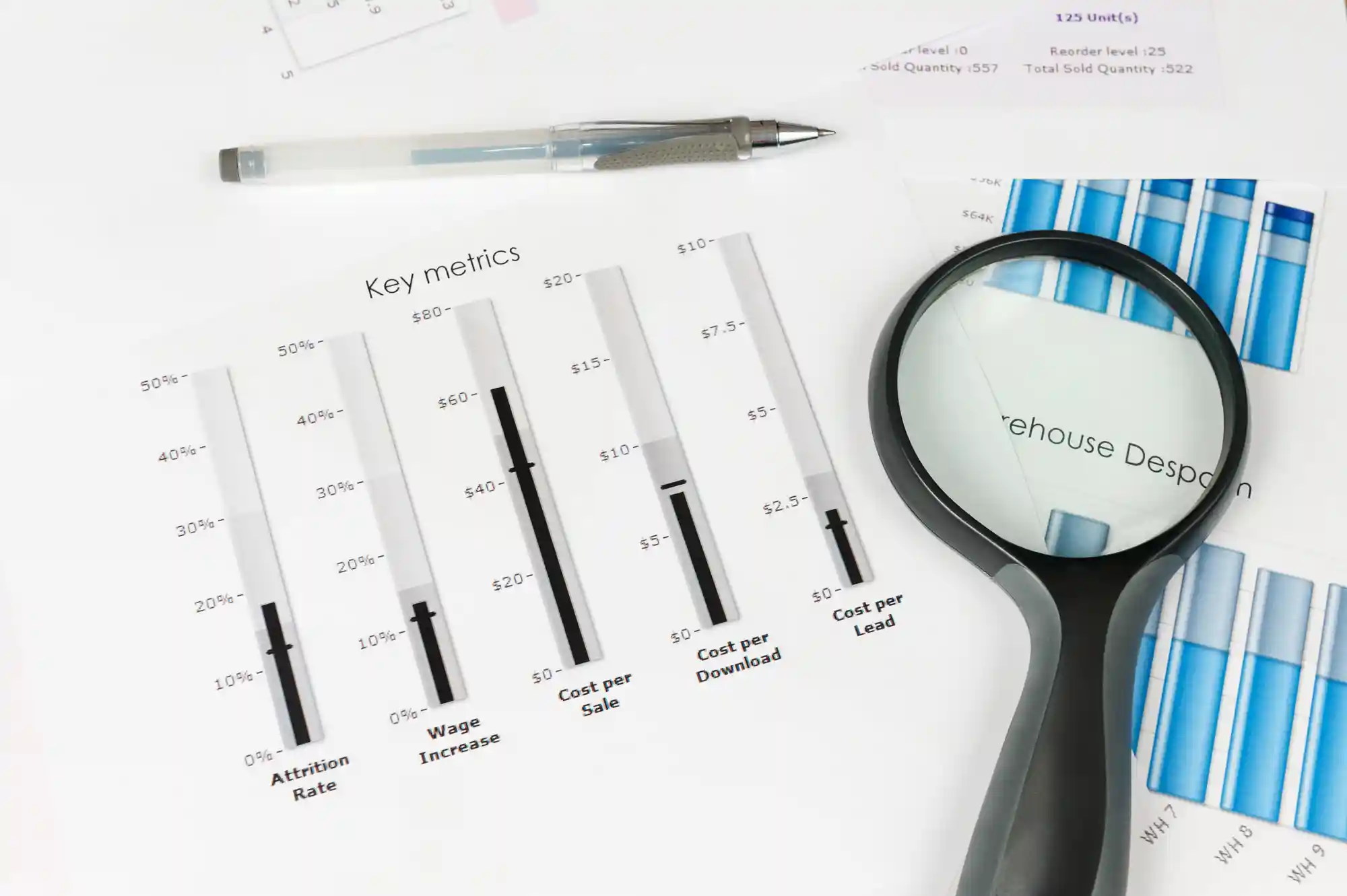
Each step has specific metrics that you need to measure in order to understand and improve the performance of your product or service.
There is a difference between the marketing funnel and the AAARRR funnel:
- The marketing funnel focuses specifically on the stages related to promoting and selling a product or service
- The AAARRR funnel takes a broader approach that covers the entire user lifecycle.
AAARRR is an acronym that represents six stages of the marketing funnel: Acquisition, Activation, Retention, Referral, and Reactivation. This funnel serves as a framework for understanding the customer journey from the first touchpoint to repeat purchase and recommendation. Each stage of the AAARRR funnel has specific metrics that allow entrepreneurs to evaluate and improve their growth strategy.
What does the AARRR acronym mean?
Understanding what the AAARRR acronym means is essential for cracking the code of business success. This term, commonly used in marketing and growth hacking, refers to six key stages in the buying and customer relationship cycle:
- Awareness
- Acquisition
- Activation
- Revenue
- Retention
- Referral
Each of these phases has a specific importance, and together they form a funnel that helps visualise and understand the customer journey — from their first contact with the business to becoming a loyal customer who, ideally, recommends your product or service to others.
It's also called the pirate funnel because the word AAARRR sounds like the cry of a pirate 😊
The phases of the AAARRR funnel
As I mentioned at the beginning of this article, several interpretations have been developed from the original framework. Of course, no interpretation is inherently right or wrong — as always, what matters is applying to your business what works most effectively.
Over the years, I've created my own framework that I apply consistently to my businesses, and in this article I'm sharing it with you after years of successful application.
Phase 1: Awareness
Awareness plays a key role in the AAARRR funnel, representing the initial stage of the customer journey. It's the moment when potential customers become aware of your brand or product for the first time.
During this phase, your main goal is to increase the visibility and recognition of your brand. This is achieved through various marketing and advertising strategies — from online ads to blog content, social media, and more.
Success at the Awareness stage is fundamental to attracting customers into the funnel and guiding them through the subsequent stages.
Phase 2: Acquisition
The Acquisition stage is the next step after Awareness in the AAARRR funnel. At this point, you've already captured the customer's attention and now you need to convince them to take some kind of action, such as visiting your website.
Acquisition is crucial because it's the stage at which you gather information from potential customers for future interactions.
Phase 3: Activation
Activation is where the potential customer interacts with your product or service for the first time. This is a critical stage of the AAARRR funnel, because if the user experience is positive, there's a much greater likelihood that they'll become a regular customer.
During Activation, your goal is to deliver a positive user experience.
Phase 4: Revenue
The Revenue phase is where you truly start to see the results of your marketing efforts.
At this stage of the AAARRR funnel, customers are making purchases and generating income for your business. This is where pricing strategies and sales tactics come into play to maximise the revenue generated from each customer.
Phase 5: Retention
Retention is the phase in which you work to keep customers interested and engaged with your product or service. At this stage of the AAARRR funnel, strategies are implemented to increase customer loyalty and ensure they keep coming back for more.
Retention techniques can include excellent customer service, loyalty programmes, special offers, and more.
In my AAARRR funnel course, I also mention in this step the implementation of Upsell strategies. Check it out if it sounds interesting.
Phase 6: Referral
Finally, the Referral stage happens when a satisfied customer becomes a brand ambassador, recommending your product or service to others. This is one of the most effective ways to acquire new customers in the AAARRR funnel, since recommendations from friends or family are generally seen as more trustworthy than ads or direct promotions.
At this stage, referrals can be incentivised through reward programmes or discounts.
How to apply the AARRR methodology?
Applying the AARRR methodology in growth hacking involves following a series of structured steps. As I explain in my course (which is free for members of my online sustainable business growth club), the first step is to follow a divide-and-conquer approach — breaking down all the steps and organising the metrics by placing them in the most appropriate phases.
Once the metrics are identified, you can start measuring them to spot problems and take action.
In my course, beyond a more detailed step-by-step explanation of the AAARRR funnel, I provide metric examples to make everything clearer, share my visual model, and explain everything you need to know to concretely apply the AAARRR funnel to your business.
If you want to know more, you can find more information at this link: AAARRR FUNNEL COURSE.
For any questions, you can also visit the Contact page and write to me.
Amuní!
Fabri